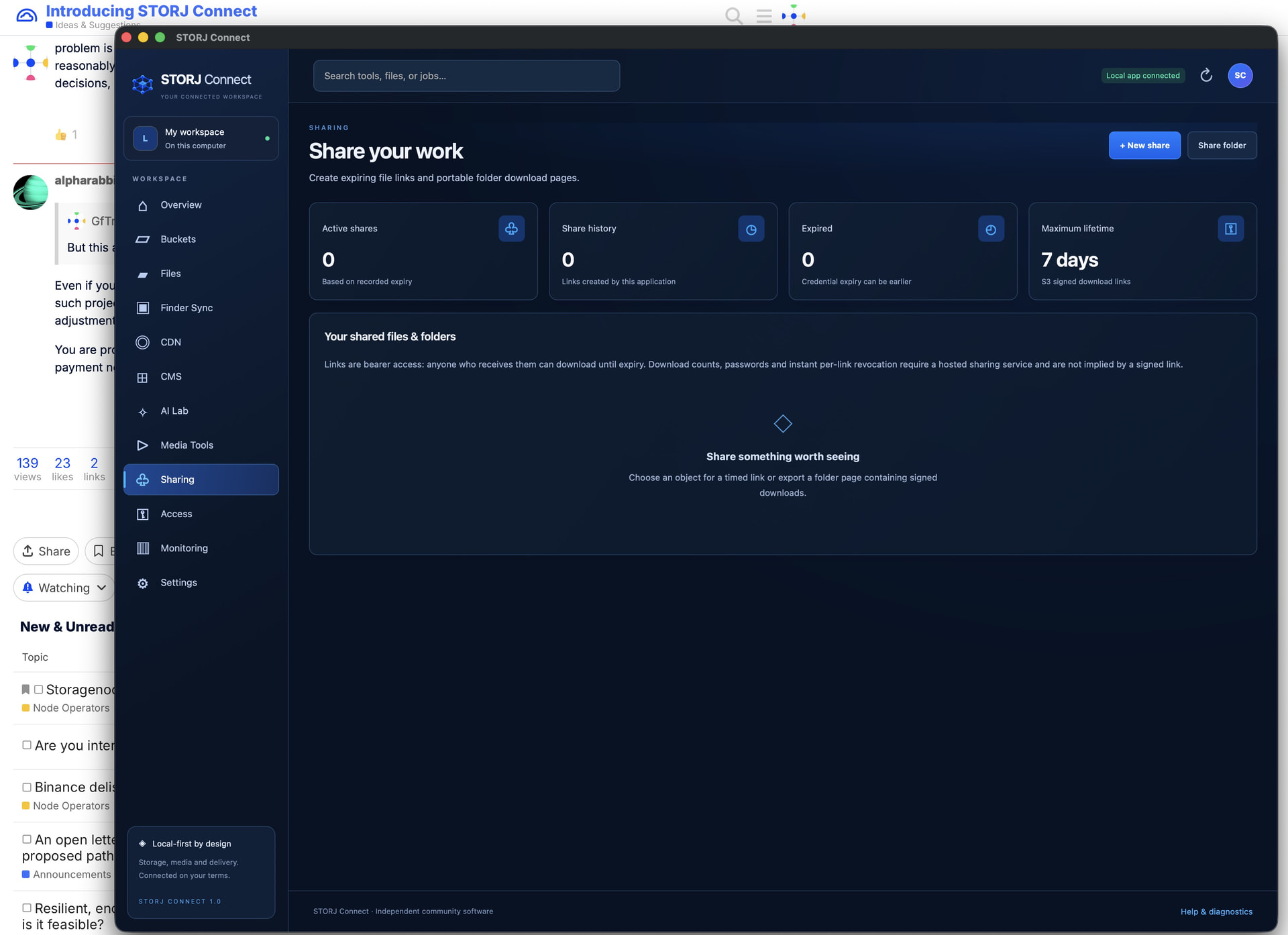
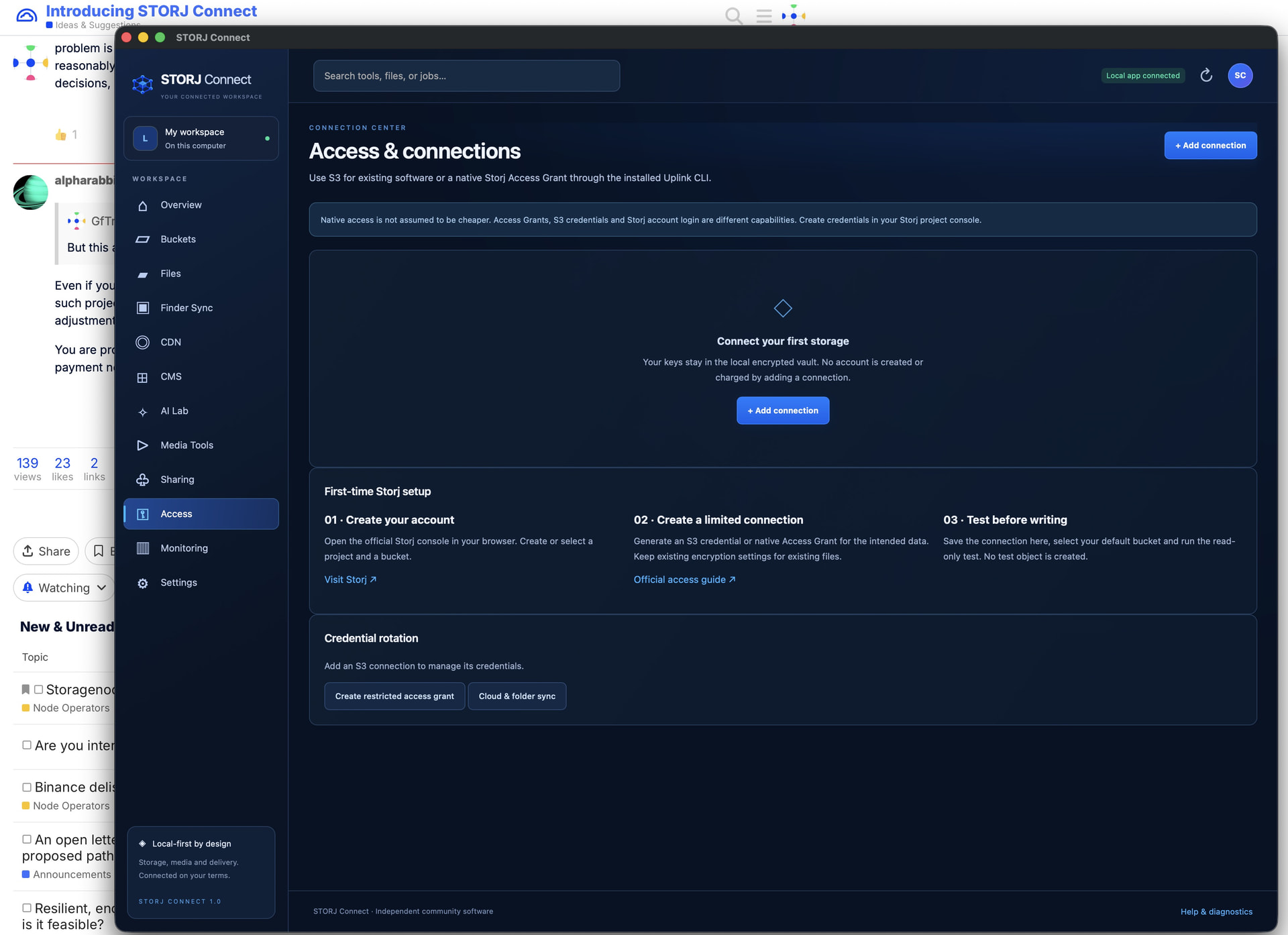
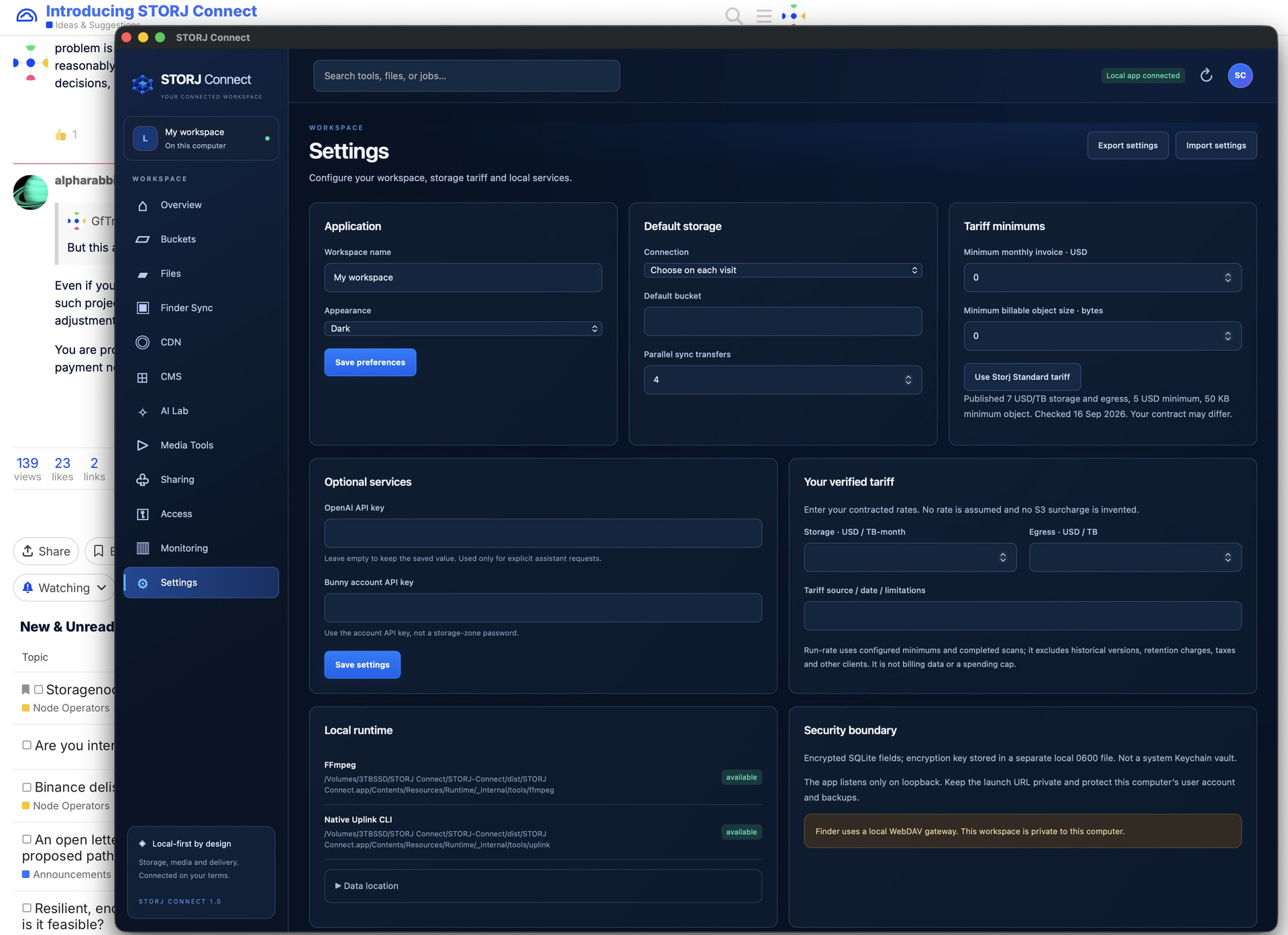
I think there may be a misunderstanding about what I am proposing here.
I am not suggesting that Storj should assign a development team and build all of these features itself. I am offering to build the toolbox.
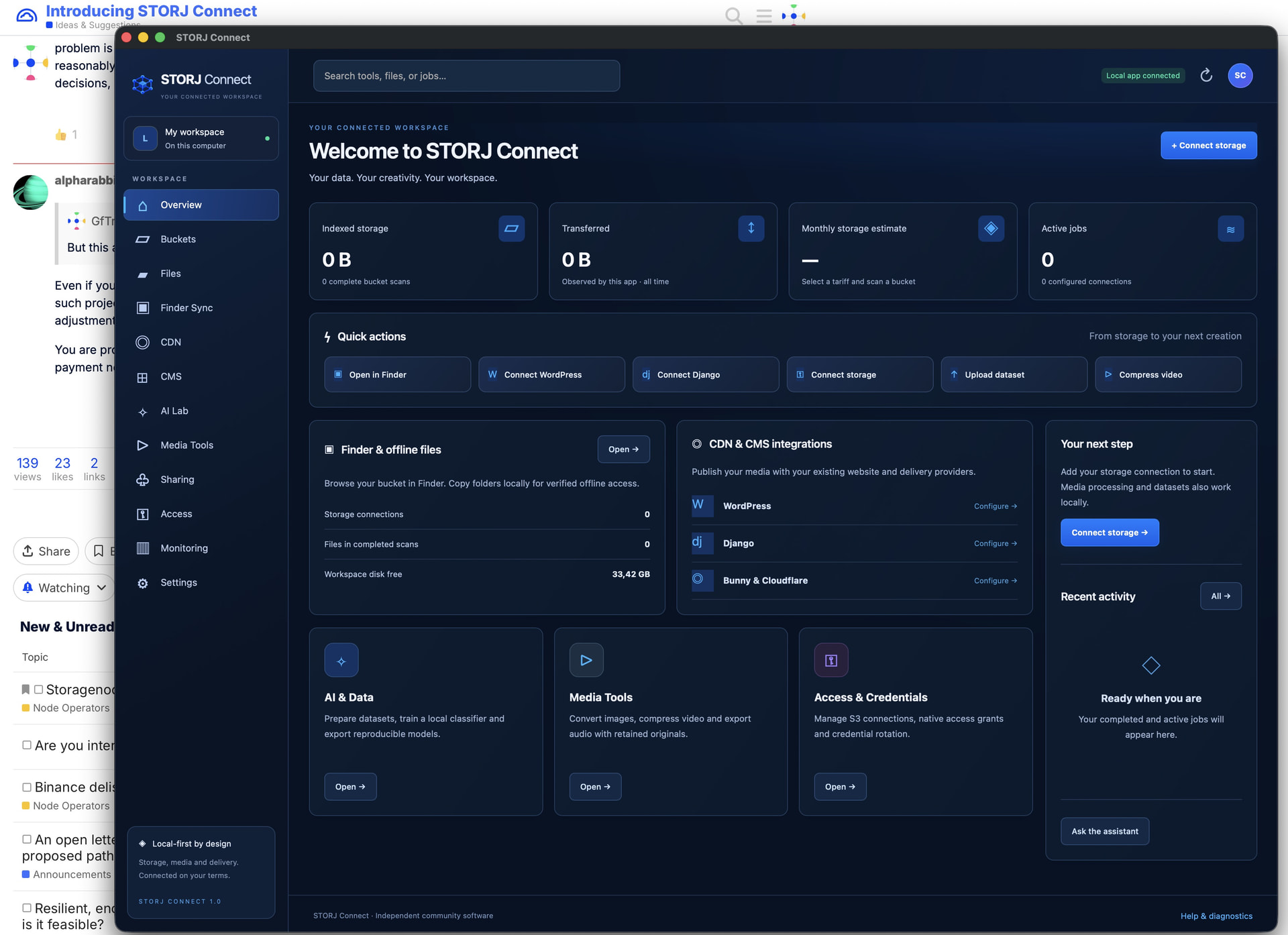
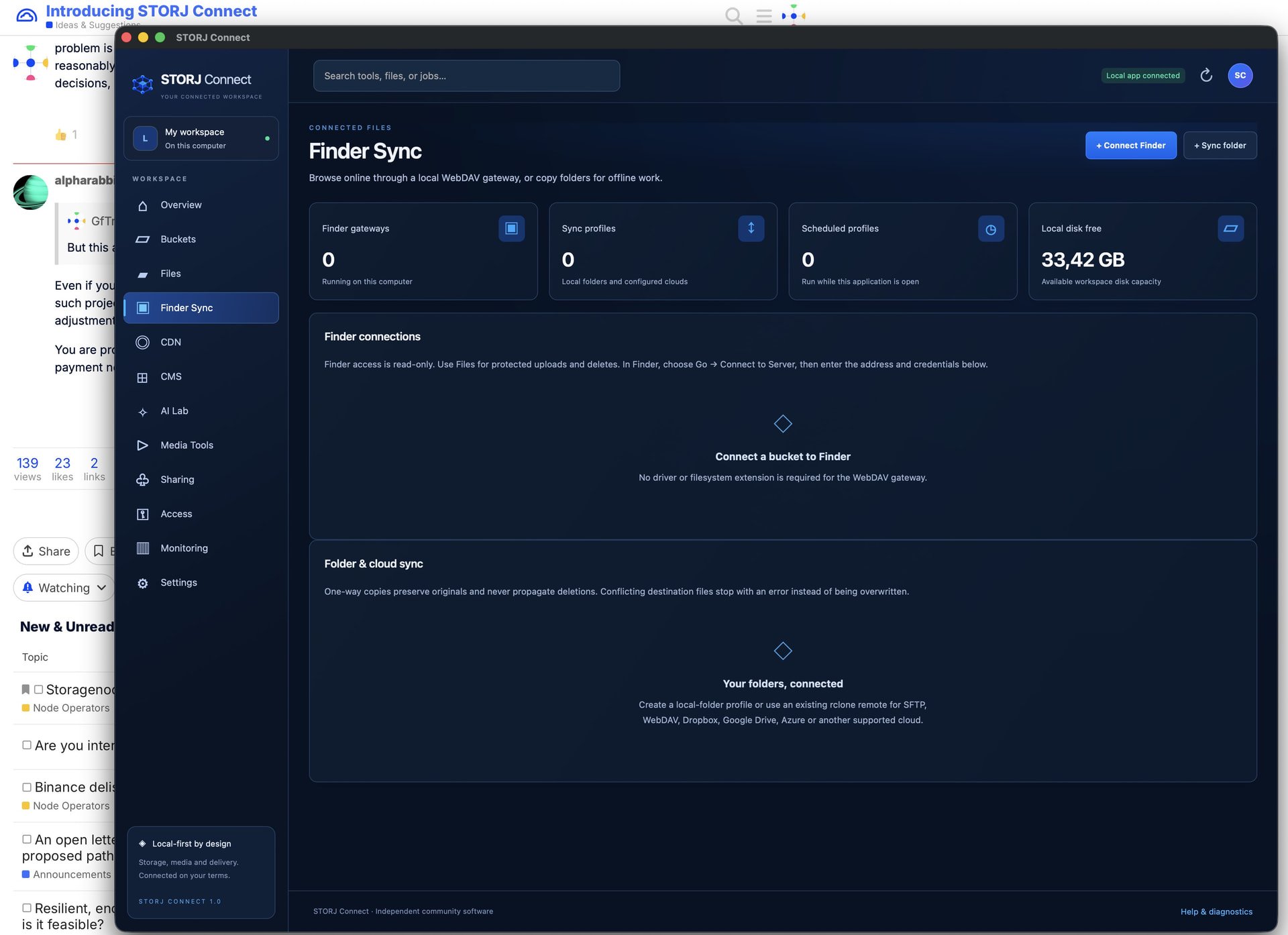
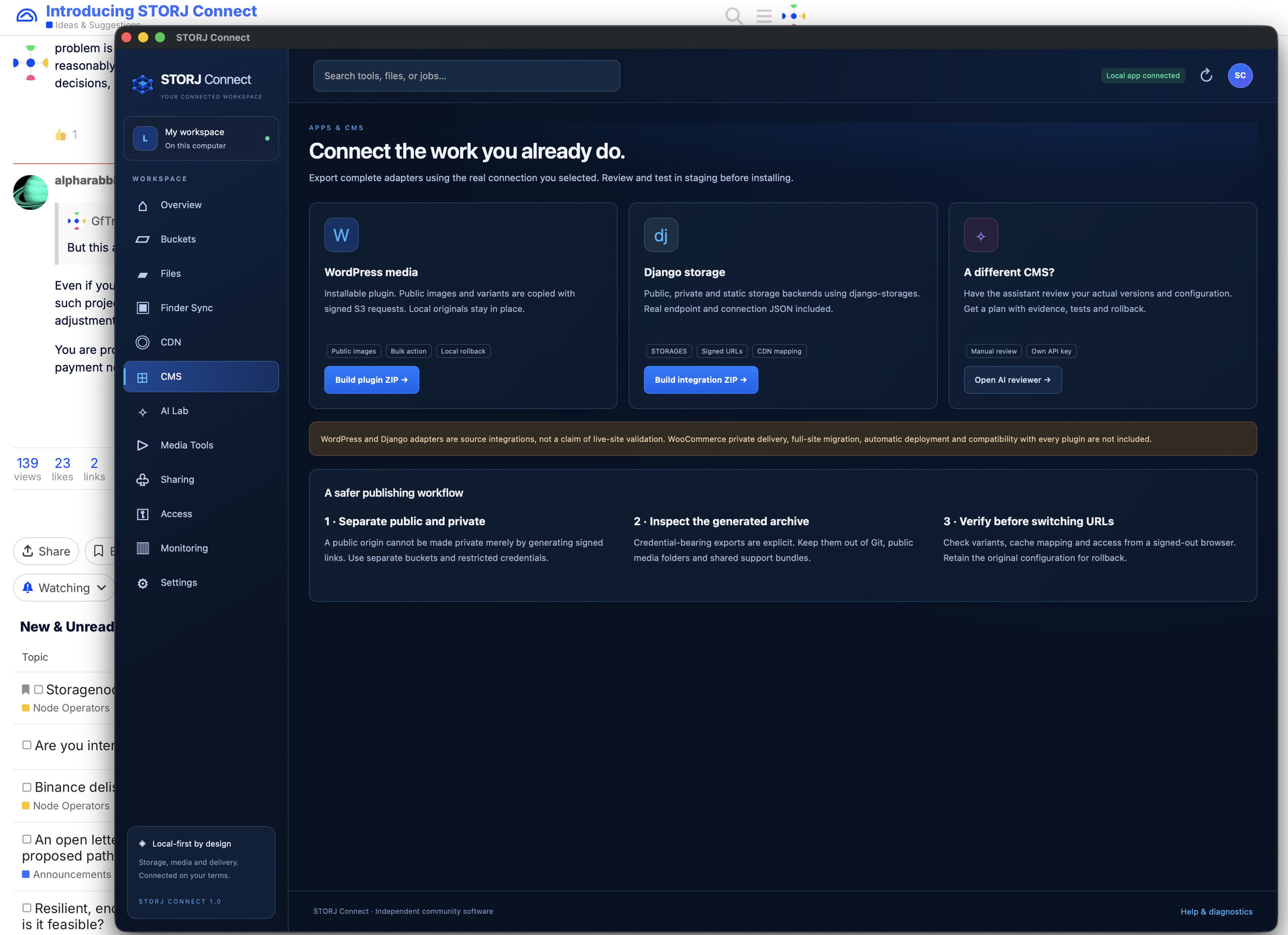
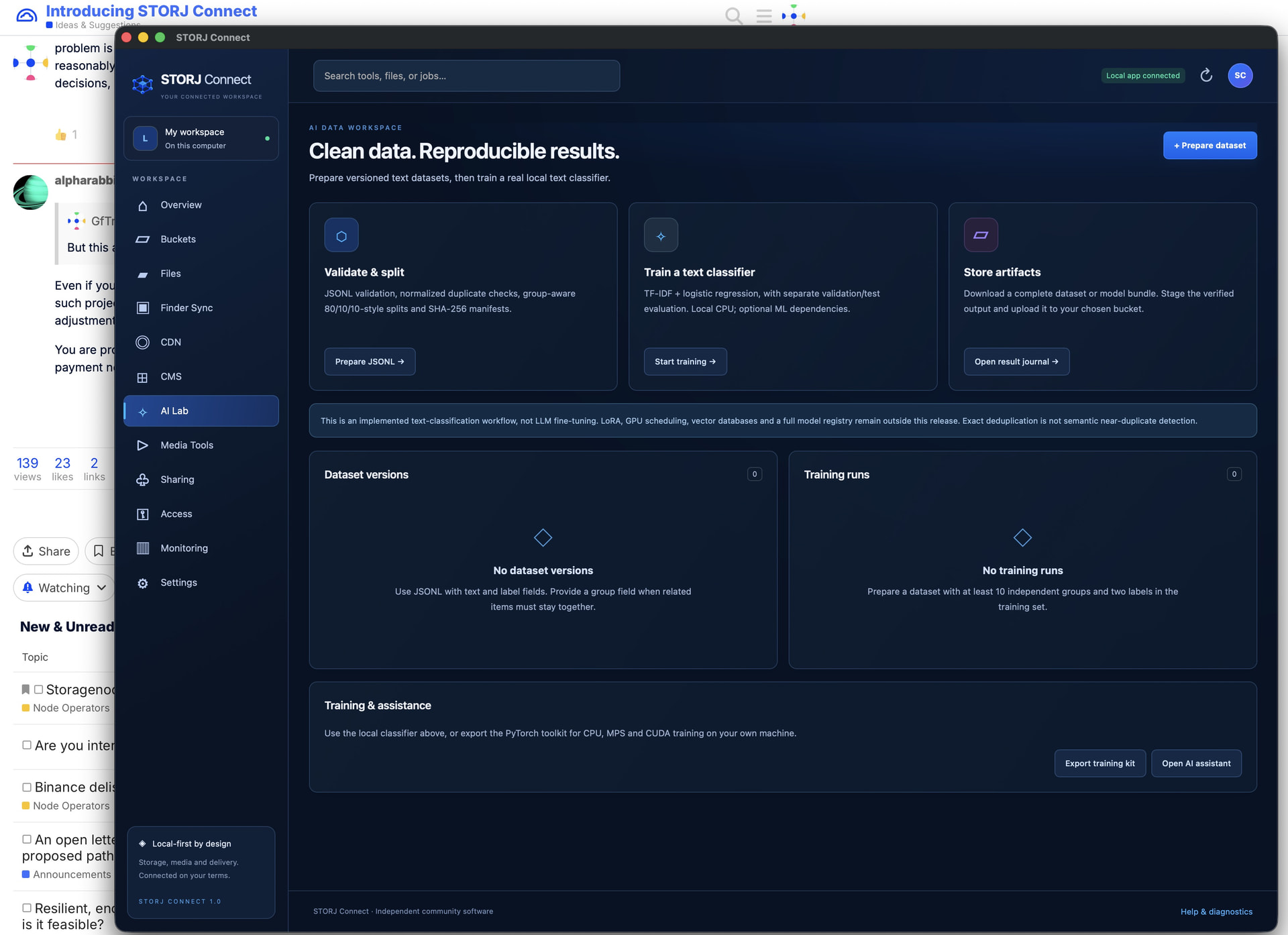
Finder/File Provider integration, file and bucket management, CMS integrations, cloud sync, monitoring, AI-assisted configuration, access management and the other client-side integrations can all be developed and maintained by me.
So for most of this, the implementation cost for Storj would effectively be close to zero. What I would need from Storj is mainly stable APIs/documentation, possibly a few additional API endpoints where data is currently not exposed, coordination regarding branding and integration into the Storj ecosystem — and one important commitment:
If I donate a project of this scope to Storj and spend the time building and maintaining a substantial part of the customer-facing infrastructure around it, I would expect a clear commitment that the proposed SNO payment cuts are withdrawn.
I do not think it would make much sense for me to invest a very substantial amount of unpaid development work into strengthening the Storj ecosystem while, at the same time, the infrastructure providers I am part of are being asked to absorb further compensation cuts.
From my perspective, this could be a fair exchange: I contribute a significant software project that would otherwise require substantial development resources, and Storj commits to preserving the current SNO compensation structure instead of proceeding with the proposed cuts.
The CDN part also needs a distinction. I am not suggesting that Storj immediately builds and operates its own global CDN infrastructure. Storj Connect can initially integrate existing CDN providers and configure Storj as the origin. A native Storj CDN could be a completely separate future project if there were sufficient customer demand.
The same applies to the “many small integrations” problem: if I build and maintain those integrations, Storj does not have to employ people to maintain each of them.
So if the question is what I would build first, I would start with the common foundation: one application that makes Storj usable like a normal cloud storage product — account/access setup, Buckets, Files and native Finder integration. Everything else then becomes a module on top of that foundation.
And yes, I agree with you about the video. The next version should show actual workflows instead of reading statistics: connect an account, mount Storj in Finder, upload a file, connect a WordPress site, configure a CDN, sync another cloud provider, etc. That would demonstrate much better what the product could do.


 But honestly, I’m trying to save your wallet too.